
Climate change is negatively affecting agriculture, forestry, fisheries, and aquaculture, increasingly hindering efforts to meet human needs. Human-induced global warming has slowed growth of agricultural productivity over the past 50 years. As temperatures increase further, the situation will worsen dramatically — threatening simultaneous crop failures across the world’s major food-producing regions.
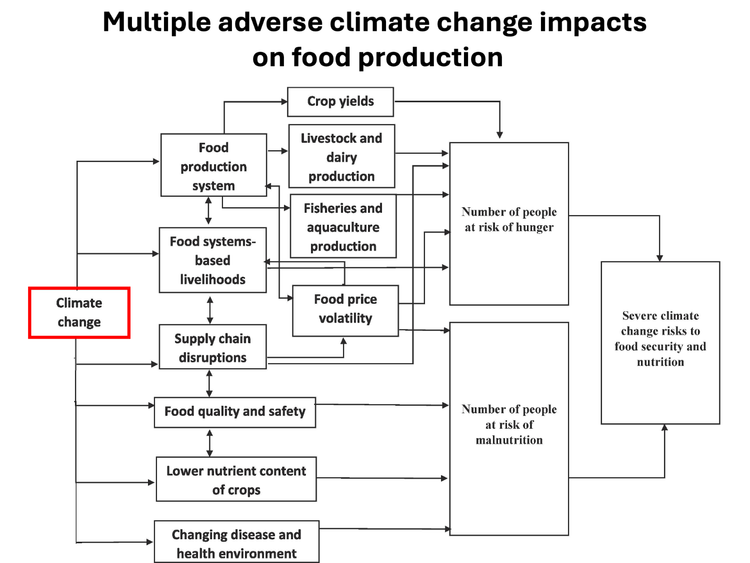
Simultaneous Global Breadbasket Failures
6 April 2026, Escalating Compound Drought‐Heatwaves and Demographic Shifts Threaten Simultaneous Global Breadbasket Failures, Amitesh Sabut and Ashok Mishra, Non linear increase compound drought- heat wave events, 6 March 2026 Yong Jun KIng, Global food systems are currently beyond all nine food system boundaries Identifying the safe operating space for food systems, Oct 2025, S. te Wierik et al
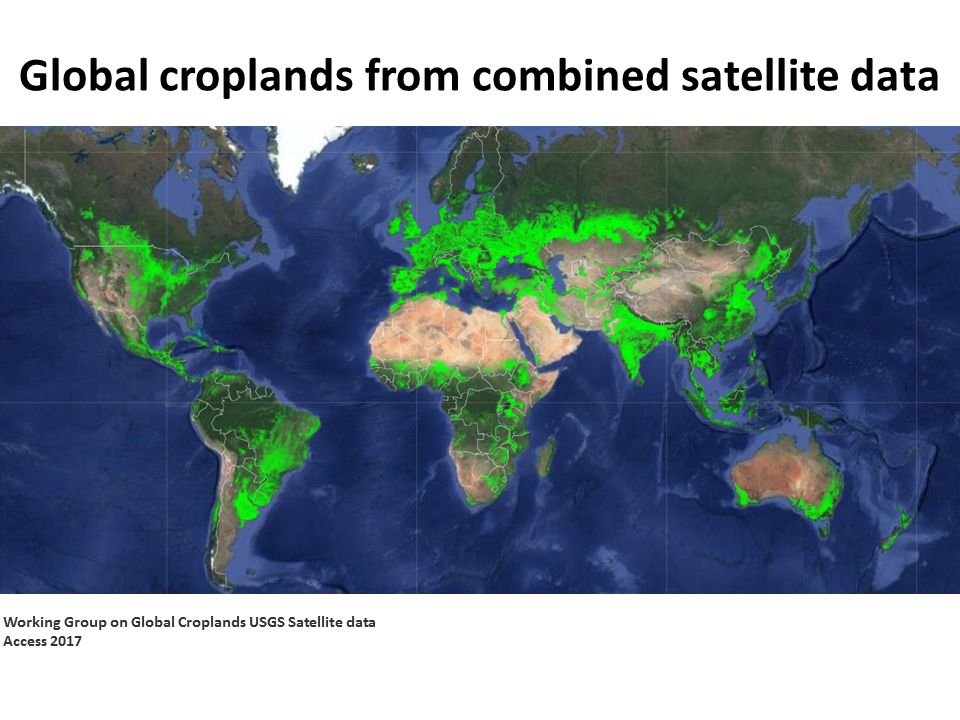
Top food producers:
1. China 2. USA 3. Brazil
Consensus Science Research AI
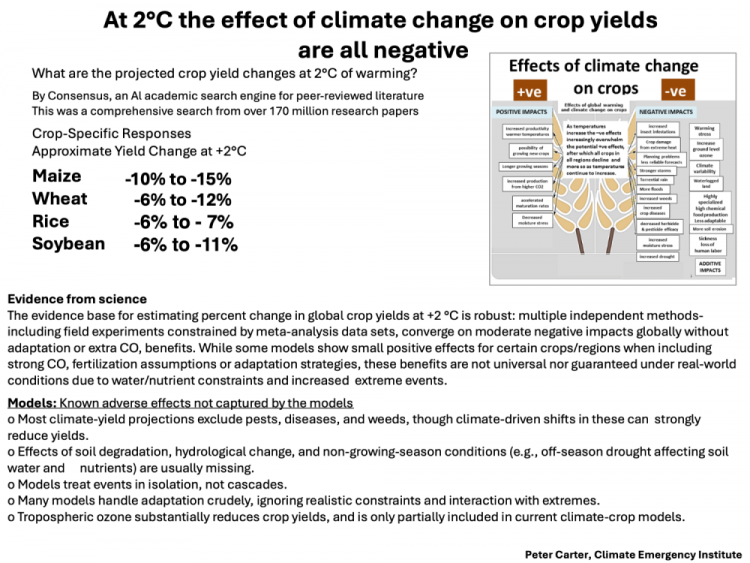
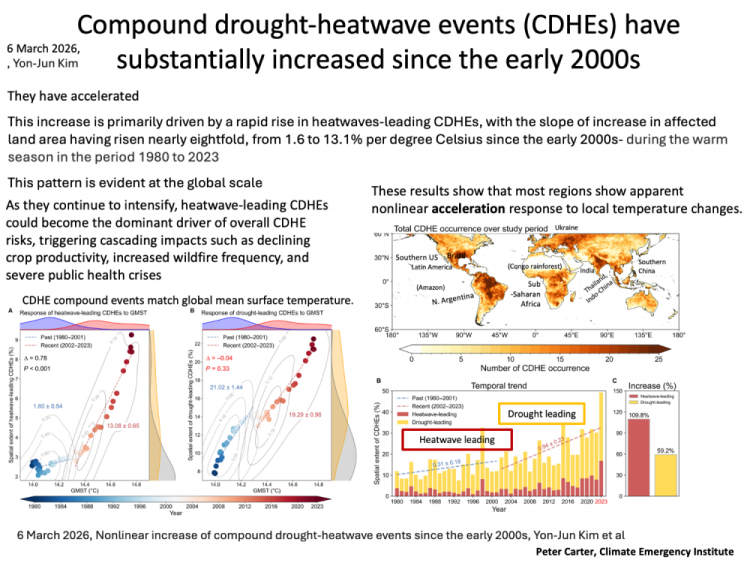
Global crop yields – extreme hote and dry weather
March 2023, M. Heino Increased probability of hot & dry weather extremes threatens global crop yields
IPCC 6th Asessment.
IPCC 2019 Land Report Food extracts
IPCC 6th Assessment Food chapter
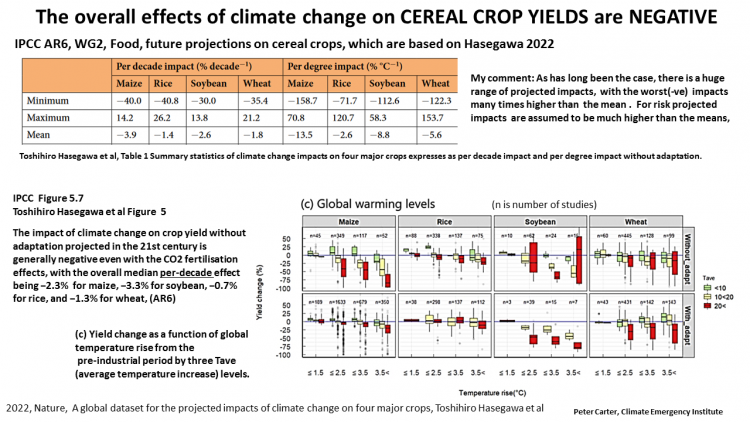
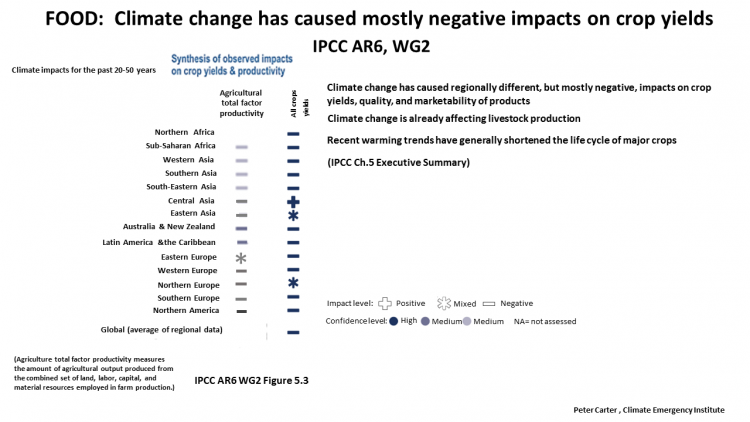
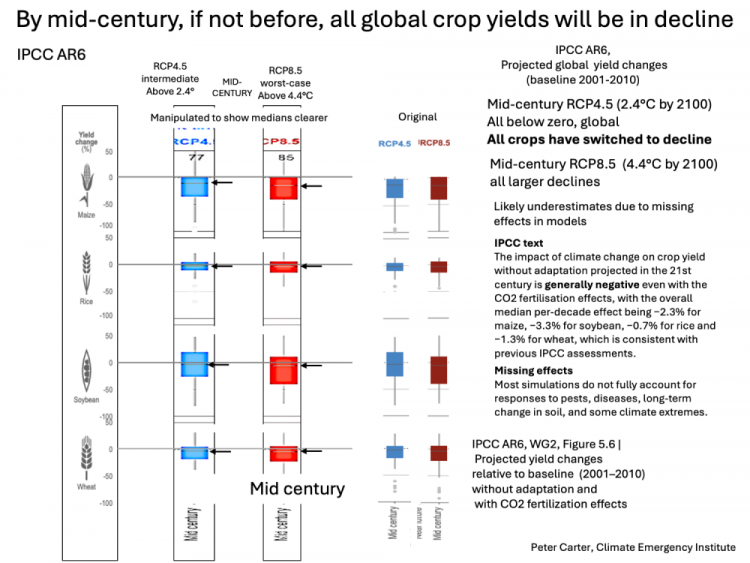
Overall negative impacts
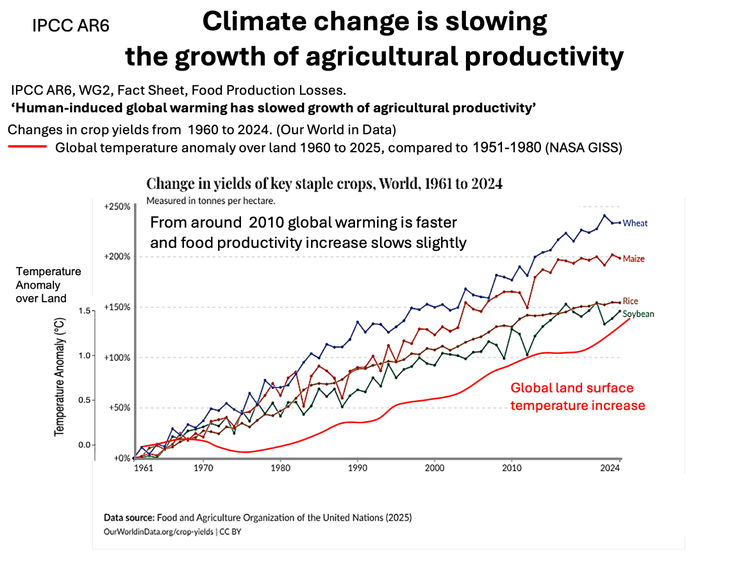
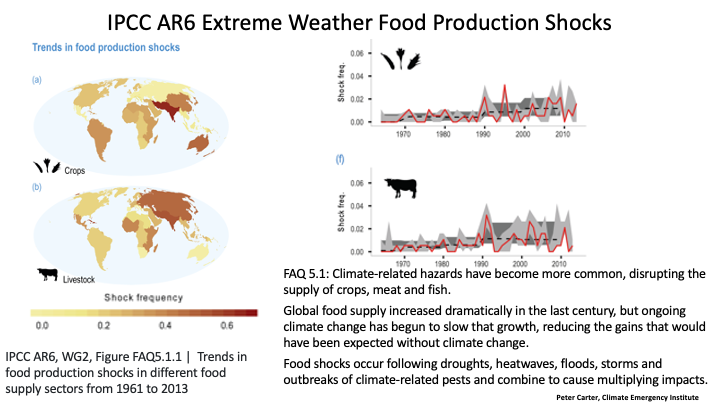
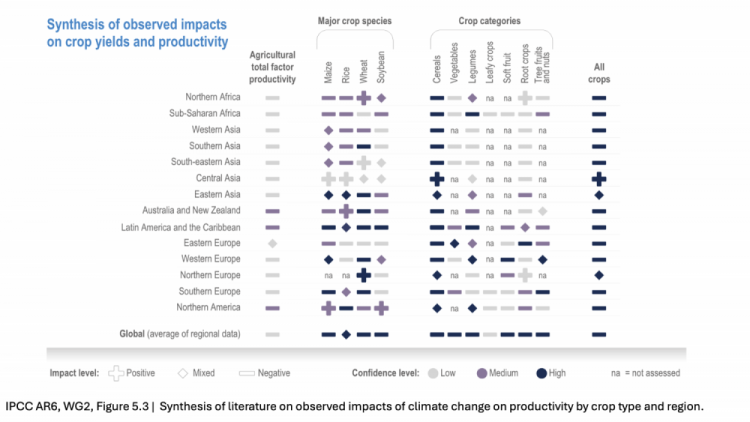
The long standing increase in world food productivity has slowed due to climate change (IPCC AR6)
Extreme weather events have reduced crop yields (temporarily) in all producing regions. African and lower latitude regions have suffered most food production decline.
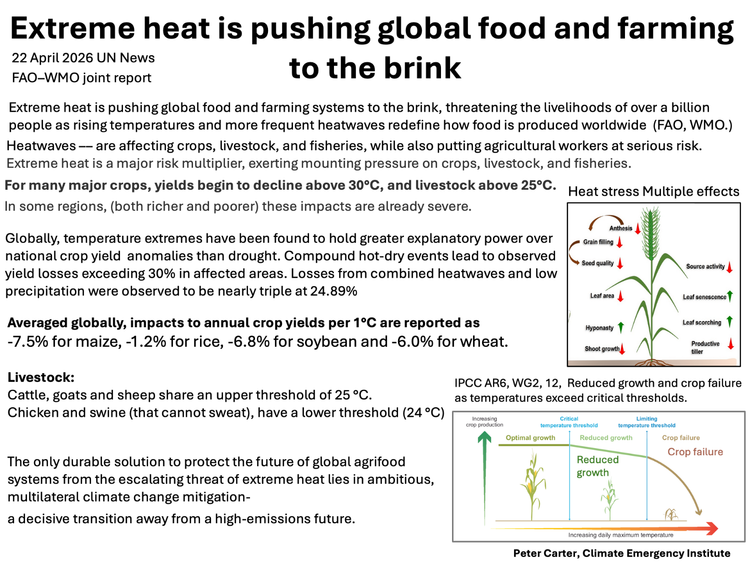
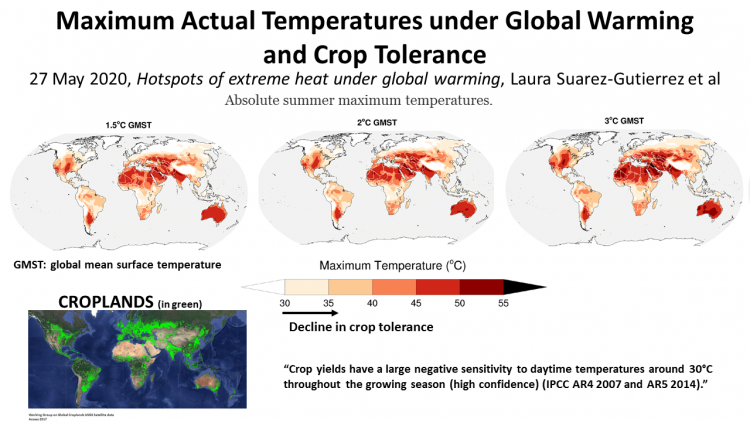
Yields will decline in all food producing regions as maximum daily temperatures, heat waves, drought, heavy rains and floods increase under global warming.
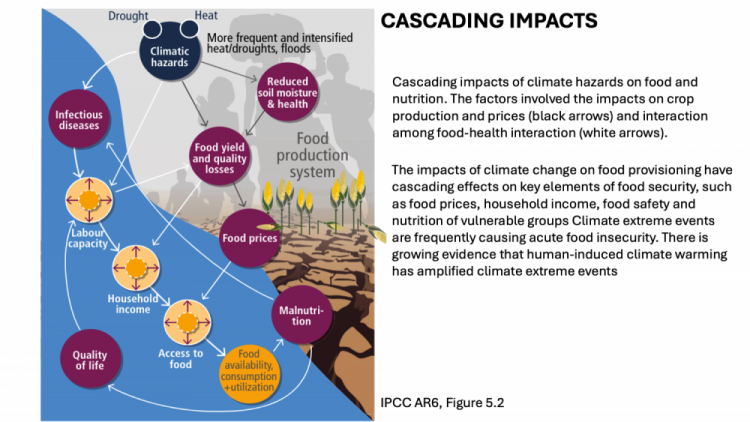
All extreme weather events adversely impact on crops, more when combined, more sequential
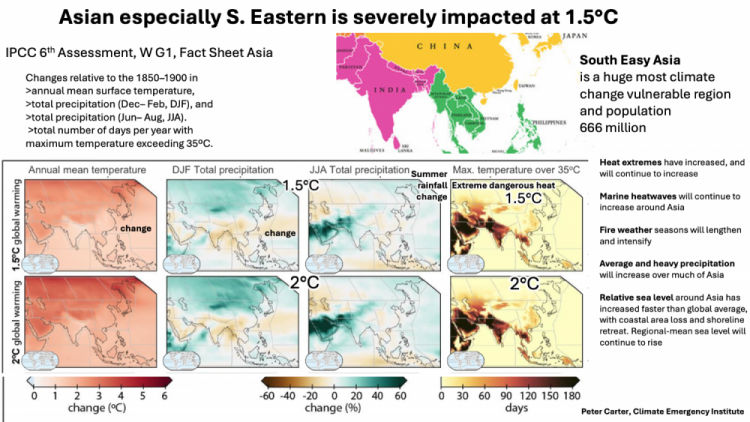
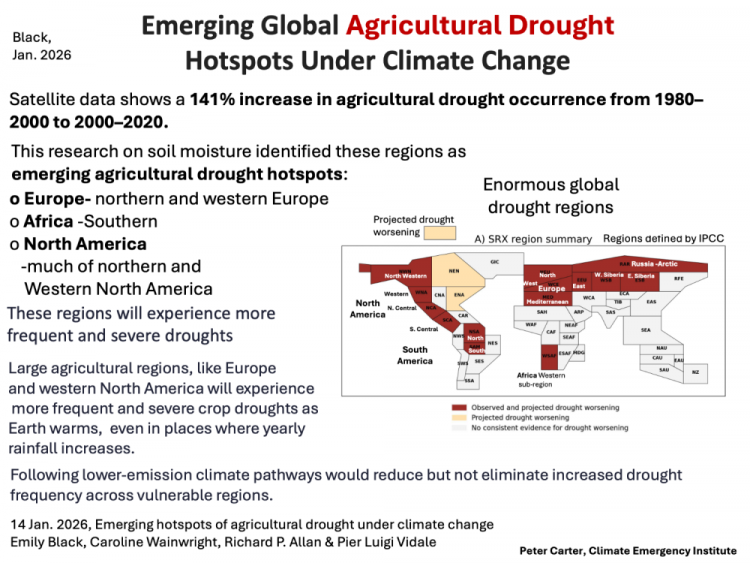
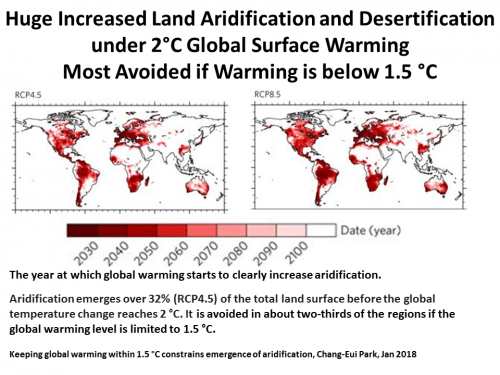
Drought increase
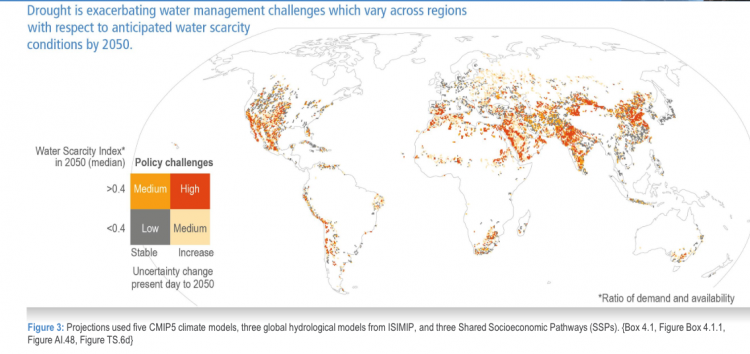
IPCC AR6 Fact sheet – Food and Water
Climate Change Impacts and Risks
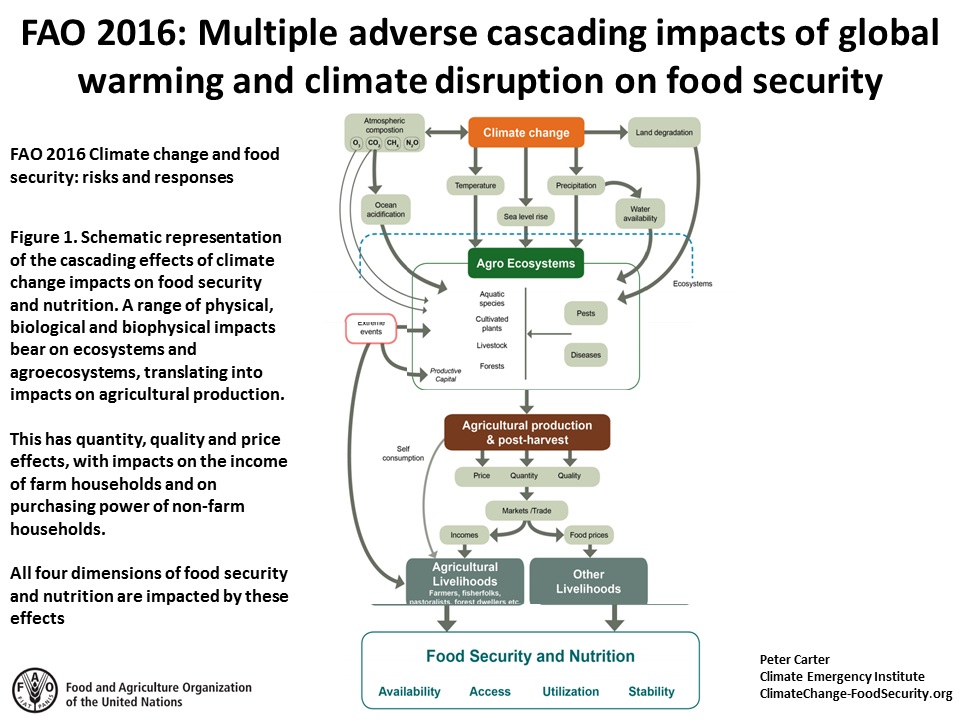
Climate change impacts are negatively affecting agriculture, forestry, fisheries and aquaculture, increasingly hindering efforts to meet human needs.
Human-induced global warming has slowed growth of agricultural productivity over the past 50 years.
Warming is negatively affecting crop and grassland quality and harvest stability.
Ocean acidification and warming have already affected farmed aquatic species.
Climate-related extremes have affected the productivity of all agricultural and fishery sectors, with negative consequences for food security and livelihoods (high confidence).
The frequency of sudden food production losses has increased since at least mid-20th century on land and sea.
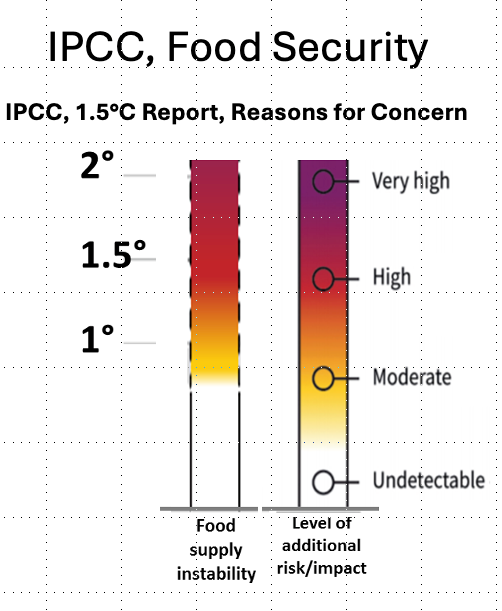
Drought and flood risks and societal damages are projected to increase with every degree of global warming. Over large areas of northern South America, the Mediterranean, western China and high latitudes in North America and Eurasia, extreme agricultural droughts are projected to be at least twice as likely at 1.5°C global warming, 150 to 200% more likely at 2°C warming
Malnutrition
Climate change has contributed to malnutrition in all its forms in many regions, including undernutrition, especially for women, pregnant women, children, low-income households, Indigenous Peoples, minority groups and small-scale producers. Extreme climate events have been key drivers in rising undernutrition of millions of people, primarily in Africa and Central America
Climate impacts on food systems are projected to increase undernutrition and diet-related mortality and risks globally. Reduced marine and freshwater fisheries catch potential is projected to increase malnutrition in East, West and Central Africa
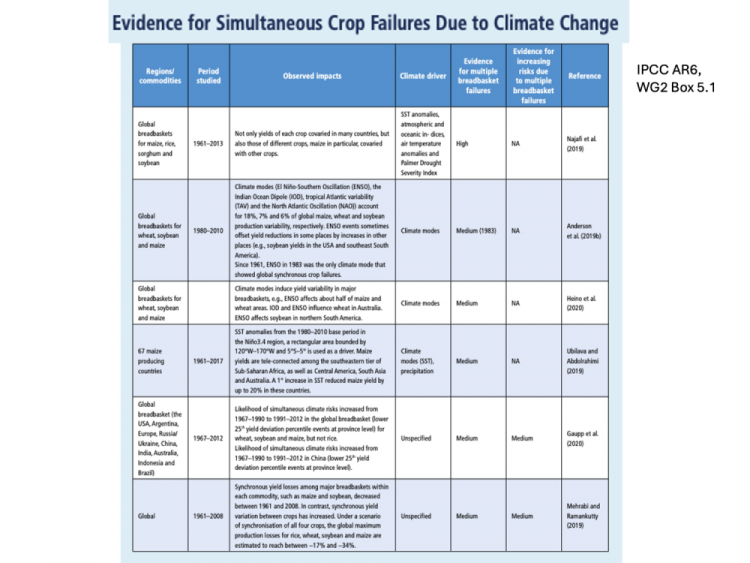
Simultaneous crop failure will increase Including multiple bead-basket failures
IMPORTANT RESEARCH, 2020 Maximum warming and related to crops
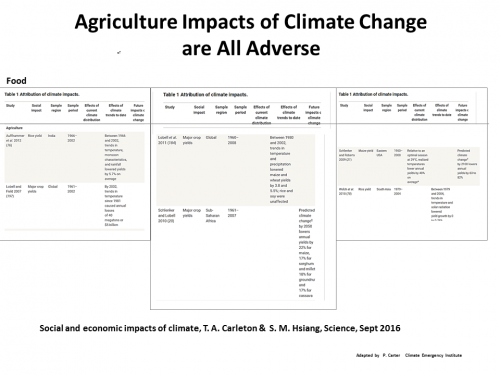
8 April 2021, Study calls for urgent climate change action to secure global food supply Word doc of Multiple adverse impacts in above review paper.
1 November 2021, Climate impacts on global agriculture emerge earlier in new generation of climate and crop models
10 Dec 2019. Jet stream changes -hit global breadbaskets
October 2019 Billions face food, water shortages over next 30 years as nature fails